

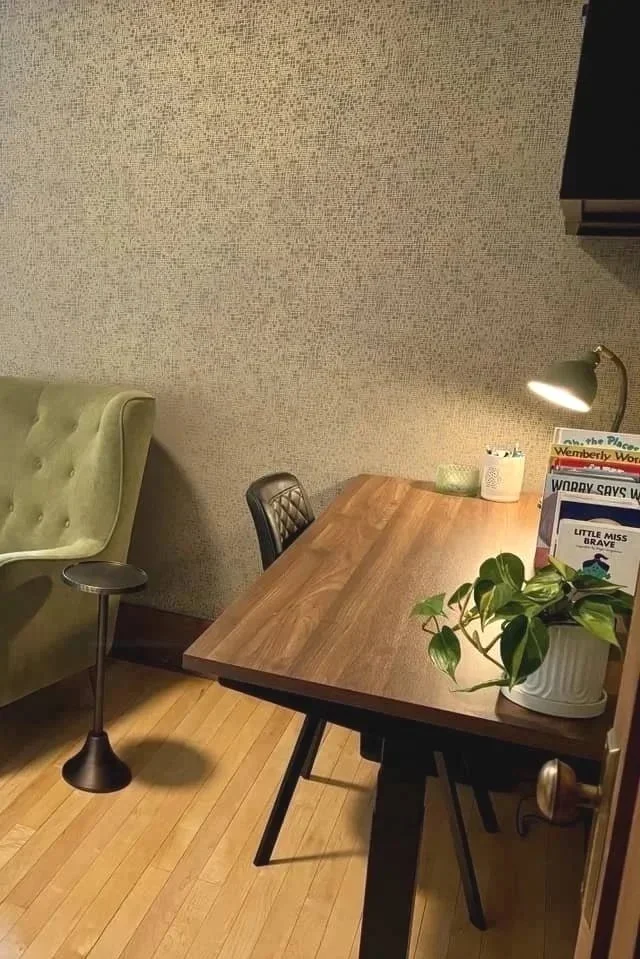
Assessment
Gain a clear understanding of your child’s learning profile with a psychoeducational assessment.
Psychoeducational Assessment
A comprehensive, one-on-one evaluation for children and adolescents designed to help you better understand your child’s strengths, challenges, and how they learn best. These assessments provide a clear, in-depth understanding of your child’s abilities and areas for growth.
Assessment Approach
During the assessment process, I use a range of evidence-based, standardized measures to better understand your child’s thinking, learning, and development. This includes evaluating cognitive and intellectual functioning, academic skills, and social, emotional, and behavioral development.
What to Expect
Following the assessment, I provide clear and concise feedback, personalized recommendations, and targeted intervention strategies tailored to your child’s individual needs. You will receive a detailed report outlining your child’s learning profile, along with practical strategies to support success at home and at school. I also take time to review the results with you and answer any questions so you feel confident in the next steps.
Unique Learning Profile
These assessments help parents and teachers gain a deeper understanding of a child’s unique strengths and challenges. They can identify learning disorders, underachievement, giftedness, ADHD, and other emotional and behavioral factors that may be impacting a child’s progress and well-being.
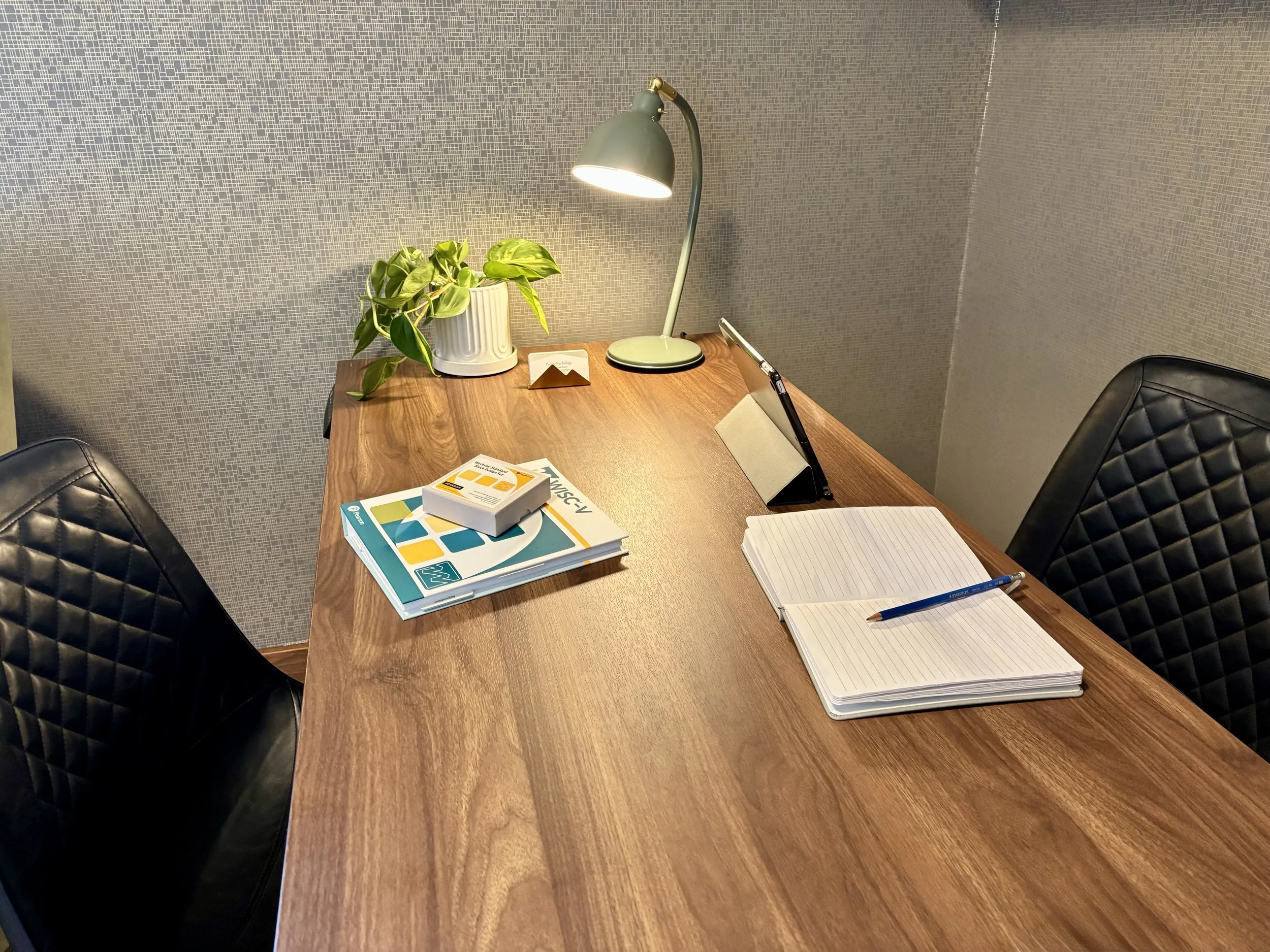
A Supportive Assessment Experience
I ensure that each assessment experience is positive and engaging, where children feel comfortable, supported, and confident.
Frequently Asked Questions
Families often have questions before booking an assessment. Here are some of the most common.
-
A comprehensive assessment includes measures of cognitive functioning, academic achievement, and social-emotional development.
The process typically involves an initial parent interview, a one-on-one assessment session with your child (approximately 2 hours), and a parent feedback session. Appointments can typically be scheduled in one day or divided over two days.
Following the assessment, a detailed report is provided within approximately one week. This report can be shared with your child’s school, physician, or other professionals to support planning and recommendations.
-
Learning disorders are identified through a comprehensive psychoeducational assessment that examines both cognitive functioning and academic achievement.This includes a detailed evaluation of literacy skills (such as word reading, decoding, and reading comprehension), as well as mathematics (including calculation and problem solving), and written expression (such as spelling and mechanics of written work).
Learning challenges can be identified as early as grade one. When concerns are present, early assessment helps guide early support and intervention.
-
ADHD is assessed as part of a comprehensive psychoeducational assessment. This includes standardized cognitive and academic testing, which provides information about processes related to attention, persistence, and behavioural regulation. While these areas are not measured directly, they can be understood through how a child performs on tasks and through observations during assessment.
In addition, rating scales are completed by parents and teachers, and information is gathered through a parent interview to better understand your child’s functioning across settings.
Concerns related to attention and self-regulation can often be identified in early childhood, and assessment can help guide appropriate supports when challenges are impacting daily functioning at home or school.
-
When explaining a psychoeducational assessment to your child, it can be helpful to avoid using the word “testing”.
Instead, you might describe it as a time where they will be doing different activities to help understand how they learn best. These activities may include solving puzzles, using blocks, drawing, and working on an iPad.
The goal is to help your child feel comfortable, curious, and supported throughout the process. Most children find the activities engaging and even enjoyable. It is a positive one-on-one experience where children often leave feeling proud and confident.